

How to Inspect Your Roof After a Storm in Lubbock, TX
Orbis Advisers
July 1, 2026
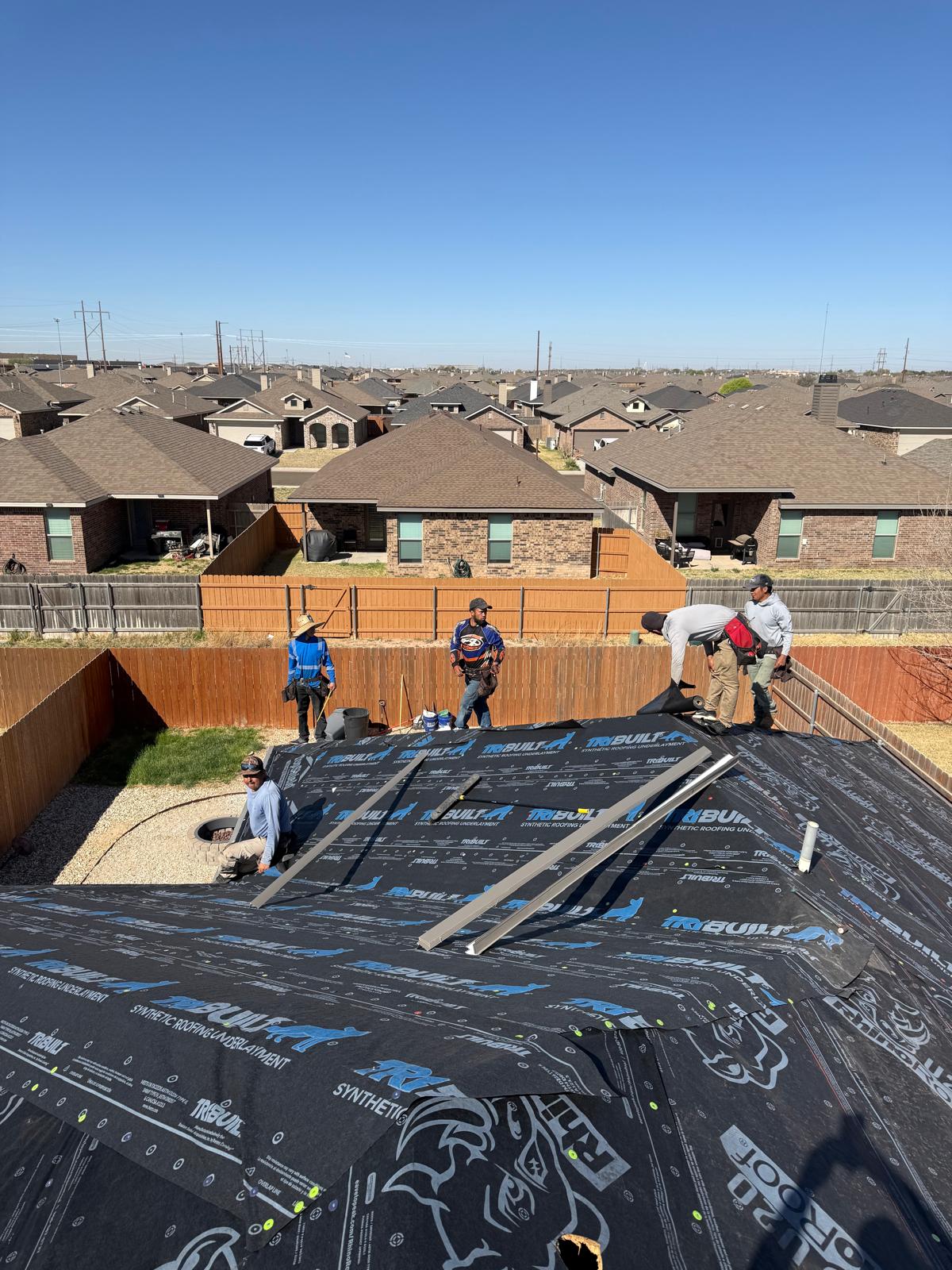
West Texas storms don’t give much warning. One afternoon the sky is clear, and by evening you’re dealing with hail the size of quarters, high winds, and heavy rain — all of which can leave your roof in worse shape than it looks from the ground. Knowing how to inspect your roof after a storm in Lubbock, TX is one of the most important things a homeowner can do to protect their property and catch damage before it turns into a costly problem.
At Gallegos Roofing LLC, we’ve responded to storm damage calls across Lubbock and the surrounding area for over 30 years. Here’s a step-by-step guide to help you assess your roof safely after a severe weather event.
Step 1: Wait Until Conditions Are Safe
Before stepping outside or anywhere near your roof, make sure the storm has fully passed. Wet roofs are extremely slippery, and post-storm winds can still be dangerous.
- Wait for dry, calm conditions before attempting any inspection
- Never climb onto a wet or damaged roof — leave elevated inspections to trained professionals
- Check local weather updates to confirm the storm system has moved through Lubbock completely
Step 2: Do a Ground-Level Visual Inspection First
You can learn a lot about your roof’s condition without ever leaving your yard. Walk around the entire perimeter of your home and look for:
- Missing or displaced shingles — gaps or bare patches on the roof surface
- Shingles on the ground — pieces that have blown off entirely
- Dented or bent gutters and downspouts — hail hits gutters first, and damage there usually means roof damage too
- Dented AC units or vent covers — soft metal items are reliable indicators of hail size and impact force
- Granules in the gutters or on the ground — washed-off granules from asphalt shingles signal direct hail impact
Step 3: Inspect Your Attic From the Inside
One of the safest ways to check for storm damage is from inside your home.
- Look for daylight coming through the roof boards — any visible light means there’s a gap
- Check for water stains, wet insulation, or active dripping — especially along the ridgeline and around any penetrations
- Look for dark spots or soft areas on the decking, which indicate moisture has been absorbed
- Inspect around chimneys and vents for signs of water intrusion
Step 4: Check Your Ceilings and Interior Walls
Storm damage doesn’t always show up on the roof first — sometimes you notice it inside.
- Water stains on ceilings — brown or yellowish rings are a sign of a leak above
- Bubbling or peeling paint on ceilings or upper walls
- Damp or musty smell in the attic or upper floors, which can indicate trapped moisture
- Warped or buckled drywall along exterior walls
Step 5: Document Everything You Find
If you spot damage, document it thoroughly before any repairs are made — especially if you plan to file an insurance claim.
- Take clear photos and videos from multiple angles, both at ground level and from inside the attic
- Note the date and time of the storm and when you discovered each item of damage
- Keep receipts for any emergency temporary repairs (such as tarps) you make to prevent further water intrusion
- Contact your insurance company promptly — most policies have deadlines for storm-related claims
Step 6: Call a Professional Roofing Contractor for a Full Inspection
A ground-level inspection gives you a general idea of the damage, but many storm issues — including hail impacts, flashing damage, and compromised underlayment — are only visible during a close-up professional inspection.
- Don’t delay calling a roofer — water intrusion can worsen quickly, especially if more rain is on the way
- Avoid door-to-door storm chasers who appear in the area after major weather events and disappear just as quickly
- Choose a licensed, insured, local contractor who knows Lubbock’s weather patterns and building codes
What Hail Damage Looks Like on a Roof in Lubbock, TX
Because Lubbock sees frequent hailstorms, it’s worth knowing exactly what hail damage looks like on asphalt shingles:
- Random, circular impact points on the shingle surface — these may look like dark spots or bruises
- Missing granules in a roughly circular pattern, leaving the asphalt mat exposed
- Soft spots when pressed (on a shingle you can safely reach) — the mat beneath has been damaged
- Cracked or split shingles from high-velocity impacts
- Dented metal flashing around chimneys, skylights, or roof edges
Schedule a Free Post-Storm Roof Inspection in Lubbock, TX
If your home has been through a recent storm, don’t wait to find out what kind of shape your roof is in. At Gallegos Roofing LLC, we offer free roof inspections to homeowners throughout Lubbock, TX and the surrounding 40-mile area. With over 30 years of experience, full licensing and insurance, and bilingual service in English and Spanish, we’re here to help you navigate storm damage honestly and efficiently.
Call Gallegos Roofing LLC today at (806) 781-8384 to schedule your free post-storm roof inspection.
Have Any Question?
We are ready to offer you Shingles Roofing, installation and roof repair services with our experience of more than 30 years.
Do you want a customized roofing? Contact with us
Need reliable roofing services? Call us now at (806) 781-8384 and protect your home with Gallegos Roofing LLC! Our expert team is ready to provide you with exceptional roofing solutions – don’t wait any longer, secure your peace of mind today!