

What Happens to Your Roof During a Tear-Off and Why It Matters
Orbis Advisers
October 29, 2026
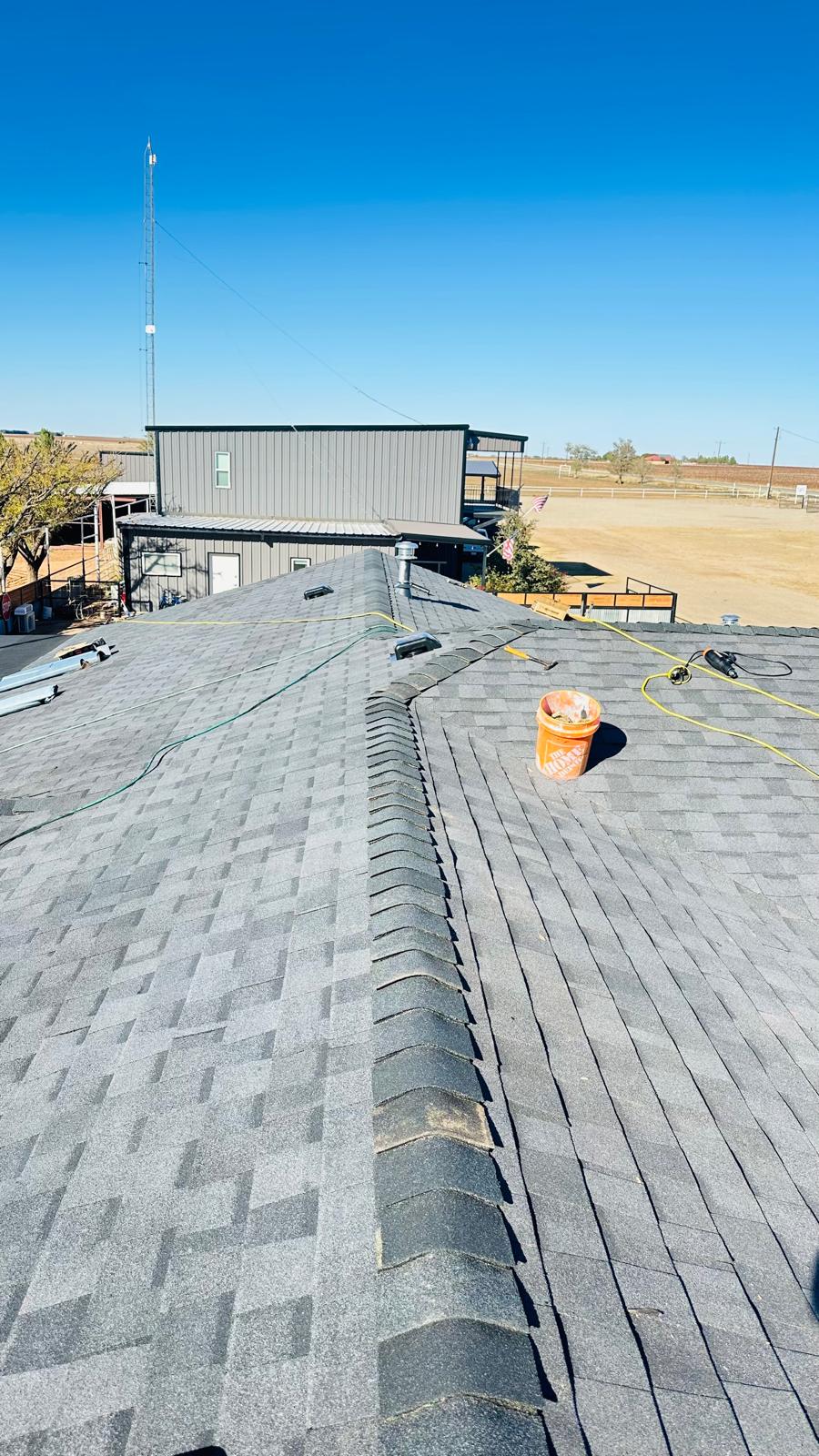
When a homeowner schedules a roof replacement, most of the conversation centers on materials — what shingle to choose, what color, what warranty. The tear-off rarely gets much attention, and that’s a problem. What happens during the removal of the old roofing system is just as important as what goes on after it, because the tear-off is the only opportunity anyone gets to see and assess the full condition of the structure beneath the shingles before a new roof is sealed over it.
A proper tear-off is not just about getting the old material off the roof quickly. It’s a diagnostic phase as much as a demolition phase — and how it’s handled determines the quality and longevity of everything that comes after. At Gallegos Roofing LLC, we’ve performed complete tear-offs on roofs across Lubbock and West Texas for over 30 years, and the condition we find beneath the surface is consistently one of the most important variables in the entire project.
What Gets Removed During a Full Tear-Off
A complete tear-off means removing every layer of roofing material down to the structural roof deck — not just the top layer of shingles.
Everything above the structural deck comes off, including:
- All existing shingles — one layer or two
- Underlayment, whether original felt paper, synthetic, or aged ice and water shield
- Deteriorated or improperly installed flashing around chimneys, pipe boots, vents, and wall intersections
- Starter strips and drip edge that are being replaced as part of the new system
In Lubbock’s market, it is not unusual to find roofs where a second layer of shingles was installed over an original layer years ago — a common cost-saving shortcut that defers the tear-off expense to the next owner or the next replacement cycle. When this is the case, both layers come off. Tearing off to bare deck adds labor and disposal costs compared to a simple overlay, but it is the only approach that allows a meaningful deck inspection and the only one that produces a new roof installed at the correct depth and profile relative to the flashing and edge components.
A tear-off without removing every layer is not a complete tear-off, regardless of what it is called on an estimate.
Why the Deck Inspection Is the Most Important Moment of the Whole Project
Once the old roofing material is off the deck, the contractor has access to the one surface that is never visible under normal conditions — the structural substrate that every other component of the roofing system depends on.
The roof deck, typically plywood or OSB panels fastened to the roof framing, is what the underlayment nails to, what the shingles nail to, and what the flashing seals against. If the deck is compromised, every layer installed over it is compromised by extension — regardless of the quality of the materials or the skill of the installation. A new roof installed on a deteriorated deck will underperform and fail prematurely, not because anything was done wrong in the new installation, but because the foundation it was built on was already failing.
In West Texas, deck damage is found more often than homeowners expect. The region’s thermal cycling causes wood panels to expand and contract repeatedly over years, which can loosen fasteners and cause panel edges to cup or buckle. Moisture intrusion from even small flashing failures or slow leaks accumulates in the deck over time, softening the wood fibers and creating conditions for rot and mold that are invisible from inside the attic once the damage is below the top surface of the deck. A roof in Lubbock that appeared to be performing adequately from the exterior — no obvious leaks, no ceiling stains — can reveal significant deck deterioration once the covering is removed.
During the deck inspection, the crew looks for:
- Soft spots or rot from long-term moisture accumulation beneath the shingles
- Discoloration or staining that indicates water has been sitting on or in the deck
- Cupped or buckled panel edges caused by repeated thermal expansion and contraction
- Fasteners that have backed out or pulled through the panel surface, compromising attachment to the framing
Any compromised sections are replaced before the new roof goes on. Addressing deck damage at this stage — when everything is fully exposed and accessible — is a fraction of the cost of addressing it after the new roof is already in place.
How Debris Is Managed During Tear-Off
A full tear-off generates a significant volume of material, and how that material is handled during removal affects both the efficiency of the project and the condition of the property when the job is done.
Professional roofing contractors position a dump trailer or roll-off dumpster at the base of the roof before tear-off begins, staged to receive material as it comes off the slope. Shingles, underlayment, and old flashing are shoveled or rolled off the roof directly into the container rather than piled on the ground and moved later. This approach keeps the job site clean throughout the day, reduces the risk of debris accumulating around the home’s foundation or in landscaping, and allows the crew to work without the obstruction of material building up around their footing.
Before tear-off begins, the crew prepares the property:
- Tarps go down over landscaping, AC units, and the driveway to catch debris and nails
- Satellite dishes, gutters, and any roof-perimeter items that could be damaged are protected or temporarily relocated
- A dump trailer is staged at the base of the roof so material is loaded directly as it comes off — no piling on the ground and moving later
At the end of the job, a magnetic roller sweeps the driveway, lawn, and surrounding areas for nails — the step that most homeowners consider the true test of whether a crew respected their property during the project.
In West Texas, where afternoon winds can arrive quickly and push loose material across a property and into neighboring yards, experienced crews pay attention to weather forecasts when scheduling tear-off and work in sections on larger roofs to minimize the area of exposed deck at any given time.
The Problem With Overlaying Instead of Tearing Off
Some contractors offer to install new shingles directly over the existing layer — a process called an overlay or a re-roof — as a lower-cost alternative to a full tear-off. In limited circumstances, an overlay is permitted by building code and may be a legitimate option. In most cases, and in virtually every case in a West Texas climate, it is not.
An overlay leaves everything that is wrong with the existing roofing system in place beneath the new shingles. Any deteriorated underlayment, any compromised flashing, any soft or rotted deck sections — all of it remains sealed under the new surface where it will continue to deteriorate and where it cannot be addressed without removing both layers of shingles. A leak that develops in an overlaid roof is significantly more expensive to investigate and repair than one on a single-layer roof because finding its source requires penetrating through two layers of material.
Beyond the diagnostic problem, overlays come with a set of trade-offs that compound over time:
- Added structural weight from a second full layer of shingles on the framing
- Uneven surface that causes new shingles to conform to the imperfections of the old layer beneath them, affecting both appearance and wind resistance
- Voided manufacturer warranty in many cases, because shingles are required to be installed on a clean, flat deck to qualify for coverage
- Shortened service life in Lubbock’s climate, where UV and thermal stress are already demanding enough without starting on a compromised base
A contractor who recommends an overlay without disclosing these trade-offs, or who offers it as the default rather than the exception, is prioritizing speed and cost savings for the project rather than long-term performance for the homeowner.
What a Properly Completed Tear-Off Looks Like
When a tear-off is done correctly, the roof deck is fully exposed, clean, and systematically evaluated before any new material goes on. Compromised sections are identified, marked, and replaced with new plywood or OSB fastened to the framing. The deck surface is inspected for backed-out fasteners, which are re-driven or replaced. Panel edges that have cupped, buckled, or separated are addressed so the new installation begins on a flat, structurally sound substrate.
The result is not glamorous — a bare deck covered in new patches where old material was replaced, with the entire perimeter staged and ready for the new installation to begin. But that unglamorous moment before the new underlayment goes down is the only point in the entire project where the full condition of the structure is visible, verifiable, and correctable. It is the foundation on which the next 25 to 30 years of roof performance will be built.
At Gallegos Roofing LLC, every replacement we perform includes a complete tear-off and a systematic deck inspection. If we find damage, we show it to the homeowner before addressing it — because an informed homeowner is a better partner on any roofing project, and because the condition of the deck is never something a homeowner should have to take on faith.
Call Gallegos Roofing LLC at (806) 781-8384 to schedule your inspection and get an honest evaluation of how your chimney flashing is holding up against the West Texas climate.

Have Any Question?
We are ready to offer you Shingles Roofing, installation and roof repair services with our experience of more than 30 years.
Do you want a customized roofing? Contact with us
Need reliable roofing services? Call us now at (806) 781-8384 and protect your home with Gallegos Roofing LLC! Our expert team is ready to provide you with exceptional roofing solutions – don’t wait any longer, secure your peace of mind today!