

How Long Does a Roof Repair Last in the West Texas Climate?
Orbis Advisers
October 15, 2026
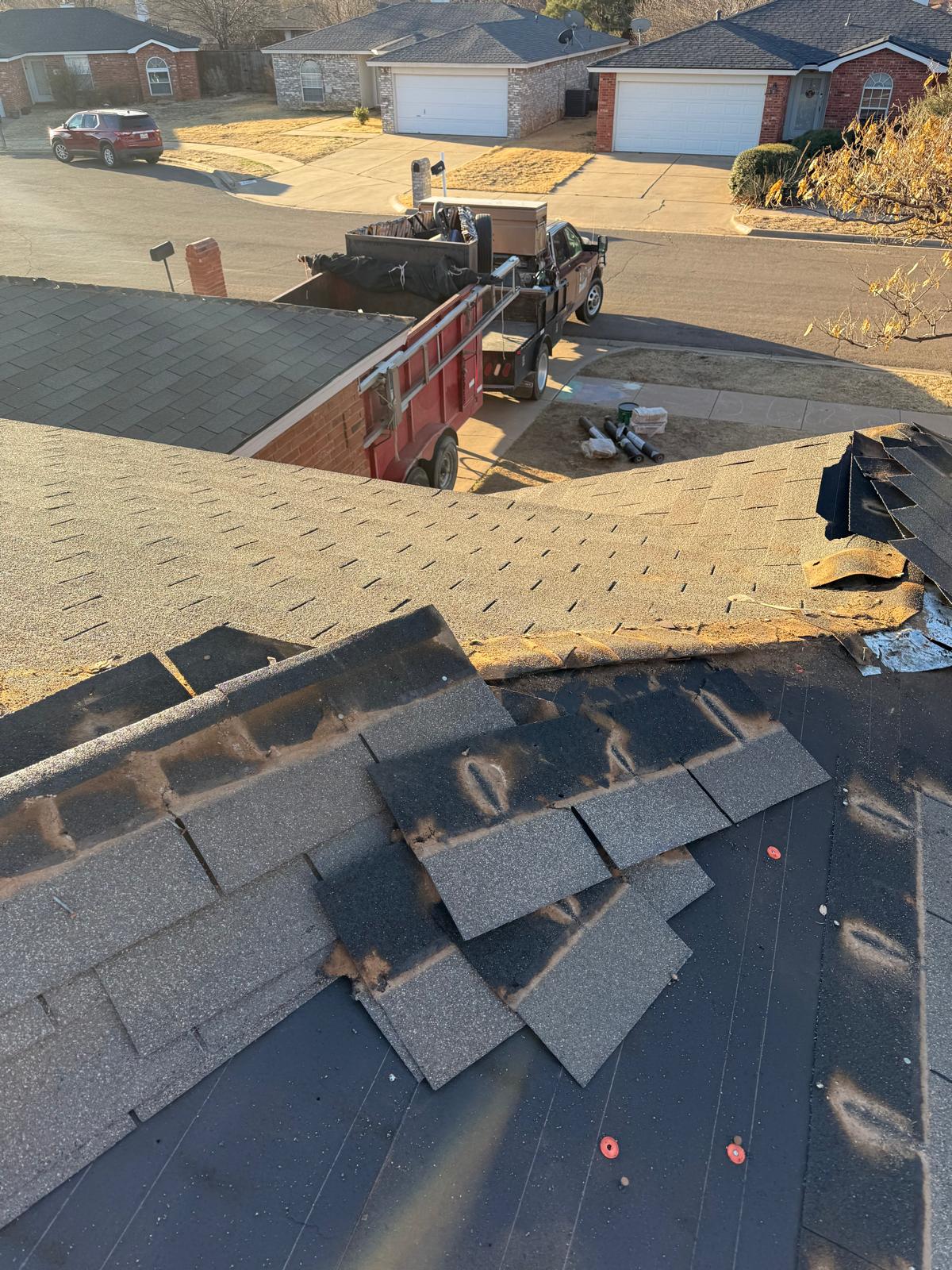
One of the most common questions Lubbock homeowners ask after a roof repair is how long it will actually hold. It’s a fair question — and the honest answer is that it depends on several factors, including the type of repair, the quality of the materials used, the skill of the contractor, and the specific demands that West Texas weather will place on that repair from the moment it’s completed.
A well-executed roof repair in Lubbock can last anywhere from five years to the full remaining life of the roof. A poorly done one may fail within a single storm season. Understanding what determines that range helps homeowners make better decisions about when to repair, when to replace, and how to evaluate the work being done on their home.
At Gallegos Roofing LLC, we’ve been repairing roofs across Lubbock and the surrounding West Texas area for over 30 years. Here is a straightforward look at what actually determines how long a roof repair lasts in this climate.
The Type of Repair Makes the Biggest Difference
Not all roof repairs are the same, and the nature of the repair itself is the single largest factor in how long it holds.
Shingle replacement on a localized area of damage — where individual shingles have been cracked, torn, or lost to wind — can last for decades when the surrounding roof is still in good condition and the replacement shingles are properly nailed and sealed. The repair is essentially restoring the original roofing system to its designed state, and it will perform as long as the system around it continues to perform.
Flashing repairs are more variable. Resealing a section of chimney flashing or pipe boot with roofing sealant is a short-term fix — it may hold for two to five years depending on UV exposure and thermal cycling, but sealant alone is not a permanent solution. A proper flashing repair that involves removing the compromised metal, installing new flashing correctly, and sealing all joints will last significantly longer and is the only approach that addresses the underlying vulnerability rather than covering it temporarily.
Patch repairs over localized damage — where a section of decking, underlayment, and shingles is removed and rebuilt — can last the full remaining life of the surrounding roof when done correctly. These are the most involved repairs, but they are also the most durable because every layer of the roofing system is restored rather than just the surface.
How West Texas Climate Shortens the Clock
A roof repair that would last 15 years in a moderate climate may last 8 to 10 in Lubbock — not because the repair was done wrong, but because West Texas conditions place demands on roofing materials that most product ratings don’t fully account for.
UV intensity is the primary factor. Lubbock sits at a high elevation and receives some of the strongest solar UV radiation in the continental United States. Roofing sealants, caulks, and the adhesive strips on shingles degrade under UV exposure, and that degradation happens faster here than in most markets. A sealant joint that might stay flexible for 10 years in a northern climate may begin to crack and pull back in five to seven years in West Texas without any physical storm damage contributing to the failure.
Thermal cycling compounds the problem. When temperatures swing from 15°F in January to 105°F in July — and make significant daily swings within those seasons — roofing materials expand and contract repeatedly throughout their service life. Every expansion and contraction cycle puts stress on sealant joints, nail holes, and the edges of patched sections. Over time, this mechanical fatigue works sealed joints open and can lift patch edges, creating pathways for water infiltration even when the visible surface of the repair looks intact.
Hail is the third factor unique to this region. West Texas sits squarely in Hail Alley, and even a well-executed repair may face impact damage from the next significant hail event regardless of how recently it was completed. A repaired section can be re-damaged by a hailstorm within a year of installation — which is why hail events warrant a follow-up inspection even on roofs that were recently serviced.
The Role of the Surrounding Roof’s Age
A repair does not exist in isolation — it is part of a larger roofing system, and that system’s overall condition determines how much useful life any individual repair can contribute.
A repair made to a roof that still has 10 or 15 years of service life remaining is a sound investment. The repair restores a vulnerable point in an otherwise functional system and allows the homeowner to defer a full replacement until the rest of the roof reaches the end of its life naturally.
A repair made to a roof that is already at or near the end of its service life is a different calculation. When shingles throughout a roof are brittle, losing granules at a high rate, and showing widespread signs of aging, patching one area does not address the overall vulnerability of the system. A new breach is likely to appear elsewhere within a short time because the conditions that caused the first failure are present across the entire roof. In these situations, the cost of repeated repairs over two or three years often approaches or exceeds the cost of a full replacement that would eliminate the ongoing cycle.
A qualified roofing contractor should be able to give you an honest assessment of your roof’s overall remaining life alongside any repair estimate — so you can make an informed decision about whether the repair is the right investment or whether a full replacement would serve you better in the long run.
What Separates a Repair That Lasts From One That Doesn’t
The quality of execution is what separates a repair that holds for a decade from one that fails in the first heavy rain after completion. In West Texas specifically, there are several indicators that a repair is built to last.
Correct nailing matters more than most homeowners realize. Replacement shingles need to be nailed in the correct location on the shingle — too high and the fasteners miss the reinforced nailing zone; too low and they penetrate the weather surface rather than the nailing strip, creating a potential water entry point. Both errors are common on rushed or budget repairs and neither is visible from the ground.
Sealing every edge of a replaced section prevents wind uplift. In Lubbock, where sustained winds and gusts are a regular feature of the weather, a shingle tab that is not properly sealed to the course below it will lift in high winds, exposing the joint and eventually tearing free. Properly executed repairs seal every exposed edge on the replaced section, not just the area of original damage.
Matching underlayment and flashing to the repair area ensures the secondary water barrier is intact. A repair that replaces surface shingles without addressing compromised underlayment beneath them leaves the roof deck exposed to water infiltration through any small imperfection in the shingle surface. Every layer of the roofing system serves a function, and a complete repair addresses each layer within the affected area.
When a Repair Is the Right Call — and When It Isn’t
A roof repair is the right investment when the damage is localized, the surrounding roof has meaningful remaining life, and the repair can fully address the cause of the failure rather than just its visible symptoms. Under those conditions, a well-executed repair from a qualified contractor can last for years and allow the homeowner to get full value from the remaining roof before replacement becomes necessary.
A repair is not the right call when the roof is near or past the end of its service life, when damage is widespread rather than localized, or when multiple repairs have been made in recent years without resolving the underlying issues. In those situations, each repair buys only a short period of protection before the next failure, and the cumulative investment in repairs that could have gone toward a replacement begins to represent real money with nothing durable to show for it.
At Gallegos Roofing LLC, we give every Lubbock homeowner an honest assessment before recommending a repair or a replacement. If a repair is the right answer, we’ll tell you what to expect from it and how long it should hold. If the roof is past the point where repair makes financial sense, we’ll tell you that too — because our goal is to give you the best outcome for your home, not the easiest answer.

Have Any Question?
We are ready to offer you Shingles Roofing, installation and roof repair services with our experience of more than 30 years.
Do you want a customized roofing? Contact with us
Need reliable roofing services? Call us now at (806) 781-8384 and protect your home with Gallegos Roofing LLC! Our expert team is ready to provide you with exceptional roofing solutions – don’t wait any longer, secure your peace of mind today!