

Why Ignoring a Small Roof Leak in Lubbock Can Lead to Major Repairs
Orbis Advisers
October 9, 2026
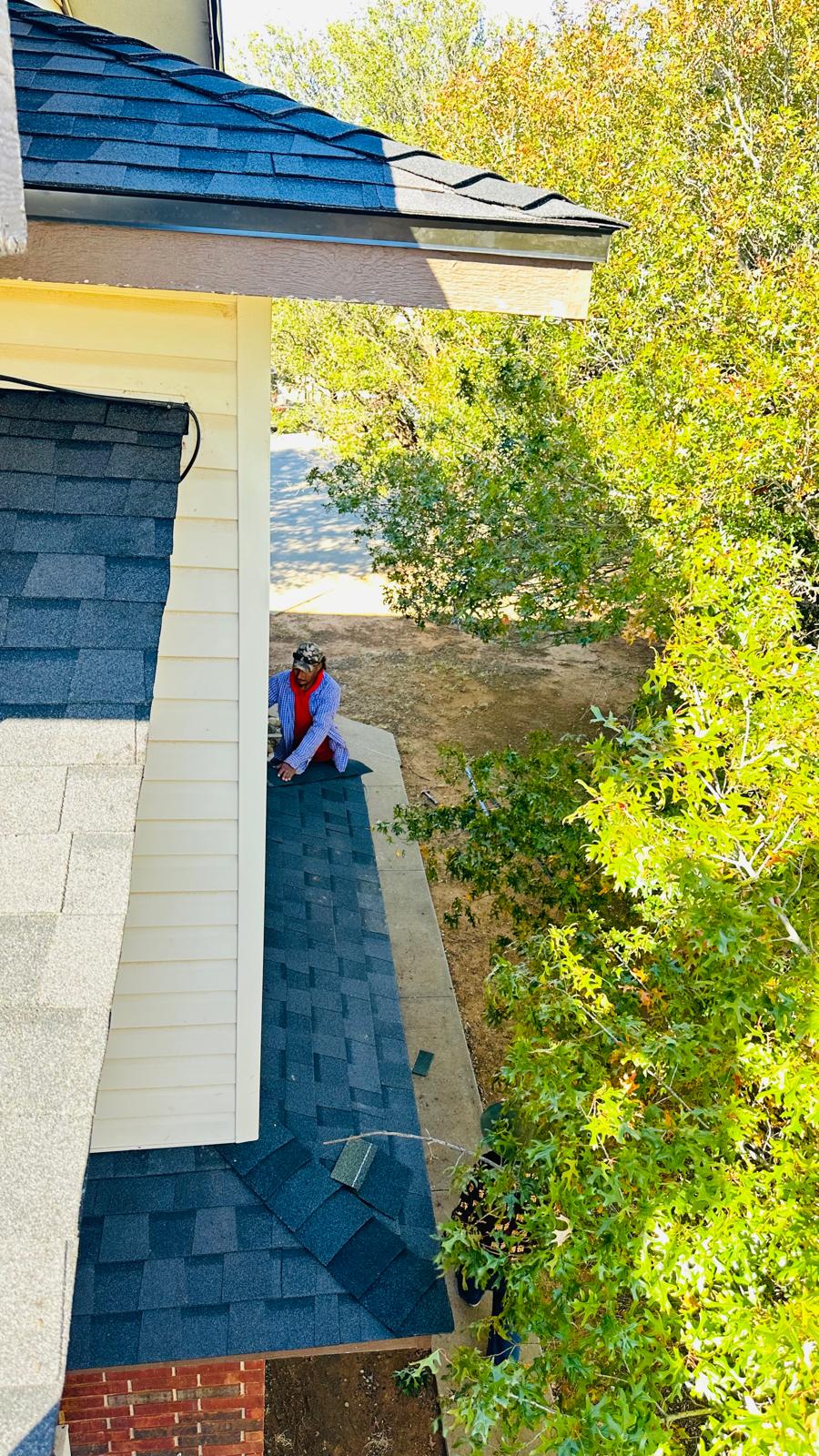
A small water stain on the ceiling. A damp spot in the attic after a storm. A shingle that looks a little off from the ground. These are the kinds of signs that Lubbock homeowners often decide to monitor rather than address — especially when the leak seems minor and life is busy. It’s an understandable instinct, but in roofing it is almost always the wrong call.
What starts as a slow drip through a failed shingle seal or a small flashing gap rarely stays small. In a climate like Lubbock’s — where storms are intense and fast, UV exposure is relentless, and temperature swings are extreme — a minor roof leak has every condition it needs to become a major structural problem in less time than most homeowners expect.
At Gallegos Roofing LLC, we’ve been repairing roofs across Lubbock and West Texas for over 30 years. The most expensive jobs we handle are almost never the ones that started big — they’re the ones that started small and were left alone too long.
What’s Happening Inside Your Roof While You Wait
The surface of a roof leak is rarely the whole story. By the time water produces a visible stain on a ceiling or a damp smell in a room, it has usually been moving through the roof system for longer than most homeowners realize.
Water enters through a breach in the outer surface — a cracked shingle, a failed flashing seal, a lifted drip edge — and then follows the path of least resistance downward through the underlayment, the roof deck, the insulation, and eventually the ceiling below. Every surface it touches along the way is being damaged. The roof deck begins to absorb moisture, softening the wood fibers and creating conditions for mold and rot. Insulation loses its thermal effectiveness when wet. Ceiling drywall or plaster absorbs the moisture and begins to deteriorate from the inside before any visible stain appears on the surface.
In Lubbock’s climate, this process accelerates. Summer heat bakes the moisture into the wood during dry periods and then draws it deeper during the next rain event. The freeze-thaw cycle in winter expands water trapped in small cracks, widening the original breach over time. UV exposure degrades any exposed underlayment or sealant around the entry point, widening the opening further. A leak that produces a small ceiling stain in March may produce a soaked attic by July — not because the rain was heavier, but because the damage pathway grew.
The Repair Costs That Follow a Delayed Leak
The financial case for addressing a roof leak promptly is straightforward: every week it goes unrepaired, the number of damaged components grows — and so does the scope of the repair.
A simple flashing repair or shingle replacement typically costs a fraction of what the same leak costs to address after extended water infiltration. Once the roof deck is compromised, the repair requires removing the surrounding shingles and underlayment, replacing the decking, reinstalling the water barrier, and re-shingling the affected area. What began as a one-trade repair becomes a multi-day project.
If the leak reaches the attic insulation, replacement is often necessary — and if mold has established itself in the insulation, the framing, or the drywall below, the remediation cost adds to the roofing repair cost before any rebuild begins. Mold remediation in a West Texas attic is not a minor line item. Depending on how long the moisture has been present and how far it has spread, remediation can exceed the original roofing repair cost several times over.
If the leak has reached ceiling drywall, electrical fixtures, or structural framing, the repair scope grows further still. Water damage that begins at the roof and travels far enough can affect wall framing, subfloor, and insulation throughout the affected area of the home — repairs that involve multiple contractors, extended timelines, and costs that dwarf what a prompt roof repair would have been.
How West Texas Conditions Make Small Leaks Worse, Faster
Leaks don’t behave the same way everywhere, and Lubbock’s climate creates conditions that accelerate deterioration faster than more moderate climates.
The intensity and suddenness of West Texas storms is the primary factor. Lubbock doesn’t receive a lot of annual rainfall, but when it does rain it often comes fast and hard. A slow drip from a minor breach under light rain can become a significant infiltration event during a heavy thunderstorm, when wind-driven rain is pushing water laterally under compromised shingles or flashing at angles the original breach wasn’t even exposed to under normal conditions.
Thermal cycling is the second factor. Summer temperatures in Lubbock regularly exceed 100°F. Winter brings hard freezes. The daily and seasonal swings cause roofing materials to expand and contract repeatedly, which works existing damage open over time. A small crack in a sealant joint grows. A slightly lifted shingle tab lifts further. A nail that backed out slightly under summer heat leaves a gap that wasn’t there in spring.
UV exposure is the third. West Texas receives among the highest UV intensity in the continental U.S., and that exposure degrades roofing sealants, exposed underlayment, and pipe boot boots faster than the product ratings — which are often tested in moderate conditions — would suggest. A minor leak that exposes underlayment to direct sun in the process of entry accelerates its own deterioration pathway.
Signs a Roof Leak Is Already Doing More Damage Than It Looks
Because a roof leak can travel significantly from its entry point before producing visible signs below, the absence of ceiling stains does not mean the absence of damage. There are several indicators Lubbock homeowners should watch for that suggest a leak is already further along than it appears.
Dark staining or discoloration along rafters or decking in the attic is one of the clearest signs that moisture has been present over time — not just after a single rain event. Soft or spongy areas in the decking, detectable by pressing on the surface, indicate rot has already begun. A musty or earthy smell in the attic, particularly after rain, points to mold or mildew growth that may not yet be visible to the eye. Granules collecting in gutters at a higher rate than usual can indicate shingles near a leak point are deteriorating faster than surrounding areas.
On the exterior, look for shingles that appear darker or discolored in a specific area even when dry, flashing that appears lifted or separated from the surface it seals, or sealant around pipe boots that is cracked, pulled back, or missing. Any of these warrant a professional inspection — not because they confirm a leak, but because they indicate conditions where one is likely or already occurring.
The Right Time to Address a Roof Leak Is Now
There is no version of a roof leak that gets better on its own. The breach that allows water in does not reseal itself. The sealant that failed does not reconstitute. The flashing that lifted does not resettle. Every storm that passes through Lubbock after the breach was first created is an opportunity for additional water infiltration, and each one leaves the surrounding materials slightly more compromised than before.
The cost of a prompt repair is almost always a fraction of the cost of the repair plus remediation that follows a delay. More importantly, the disruption of a minor repair — a few hours of work, a section of shingles replaced, flashing resealed — is nothing compared to the disruption of mold remediation, attic rebuild, or drywall replacement throughout a portion of your home.
At Gallegos Roofing LLC, we provide honest inspections and straightforward repair assessments for homeowners across Lubbock, TX and the surrounding 40-mile area. If you’ve noticed a stain, a damp smell, or anything that suggests water is getting in, we’ll get on the roof, find where it’s coming from, and give you a clear picture of what it takes to stop it — before it becomes something much larger.

Have Any Question?
We are ready to offer you Shingles Roofing, installation and roof repair services with our experience of more than 30 years.
Do you want a customized roofing? Contact with us
Need reliable roofing services? Call us now at (806) 781-8384 and protect your home with Gallegos Roofing LLC! Our expert team is ready to provide you with exceptional roofing solutions – don’t wait any longer, secure your peace of mind today!